
Most foundation problems start below the ground. Here is how to find them and control them before construction begins.
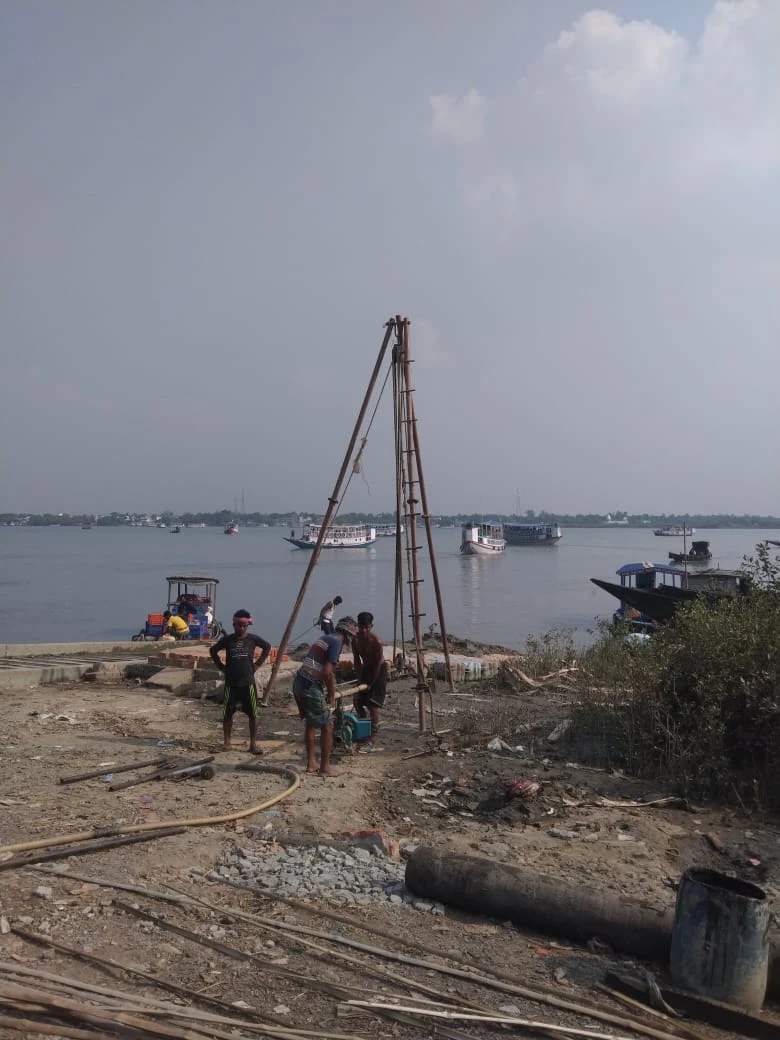
Every building, bridge, plant and tower finally rests on soil or rock. When the ground behaves differently from what the design assumed, the result can be cracks, tilting, delays, redesign or even failure. These geotechnical risks in construction projects are often the largest unknowns at the start of a project — and the most expensive to fix once the structure is built.
This guide explains the main geotechnical risks, what can go wrong, and how geotechnical engineering reduces each one, from planning to construction.
Key takeaways
- The main geotechnical risks are weak soil, settlement, groundwater, unstable excavations, uncertain pile capacity and problem ground.
- A site-specific soil investigation is the first and cheapest way to reduce them.
- The investigation must be interpreted for the actual structure and foundation.
- Field tests such as pile load tests confirm the design during construction.
- Involve the geotechnical engineer early — before the foundation type is fixed.
Starting a project in Kolkata or West Bengal? Talk to our geotechnical engineers before you fix the foundation.
What Are Geotechnical Risks in Construction Projects?
Geotechnical risks are the uncertainties that come from the ground: the type and strength of soil or rock, how much it will compress under load, where the groundwater is, and how the ground behaves during excavation and earthquakes. Unlike concrete or steel, the ground is not manufactured to a specification. It must be investigated, tested and understood for each site.
The 6 Main Geotechnical Risks and How They Are Reduced
1. Weak or variable soil
Soft clay, loose sand or filled ground may not carry the design load, and soil can change sharply across one plot.
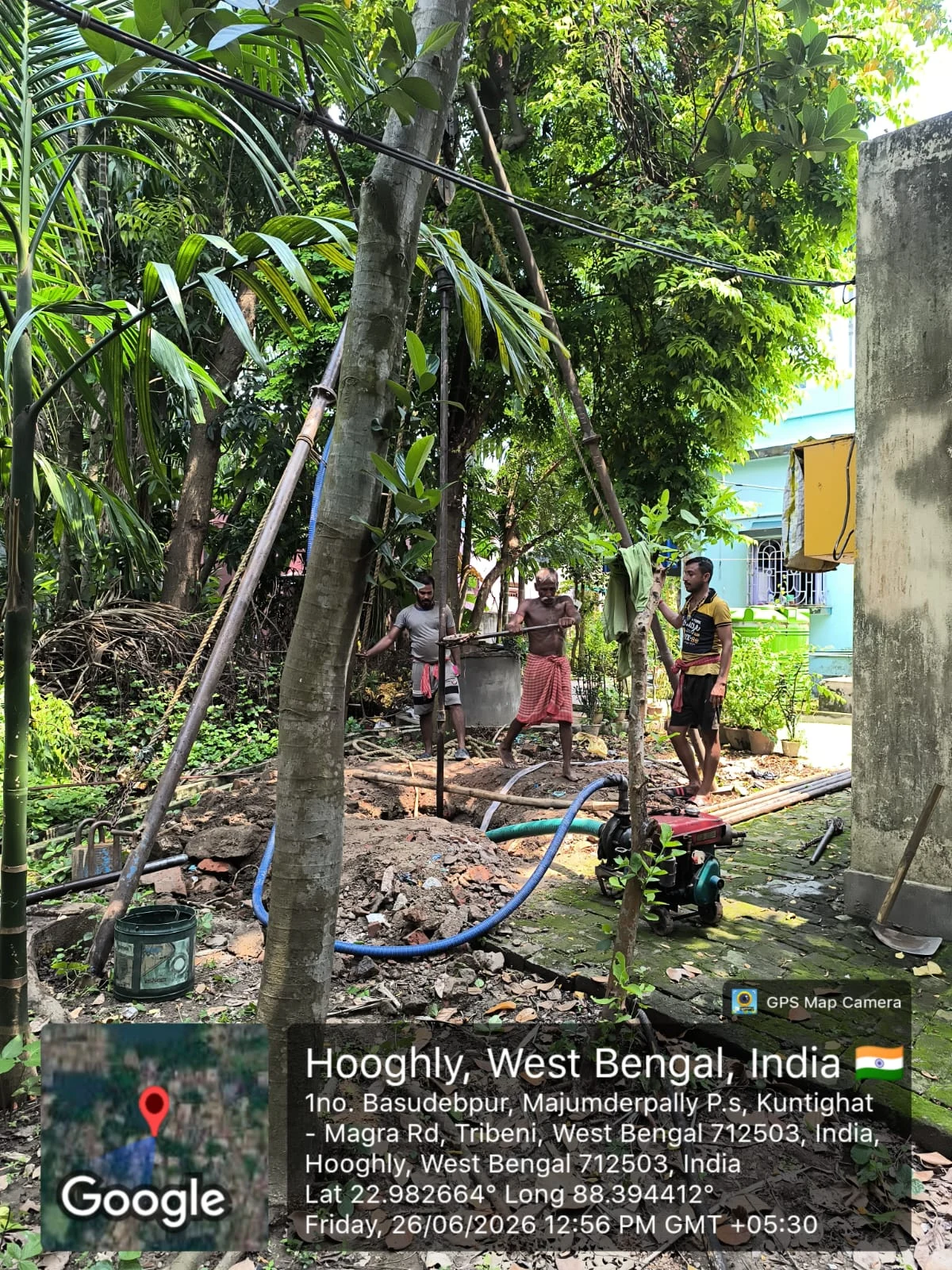
How it is reduced: boreholes planned for the building footprint and loads, Standard Penetration Tests (SPT), undisturbed samples and laboratory tests, carried out as part of a proper geotechnical investigation in Kolkata.
2. Excessive and differential settlement
Even when the ground does not fail, it can compress. Uneven settlement causes cracks in walls and floors, jammed doors and windows, and in serious cases tilting of the structure.
How it is reduced: consolidation tests on clay samples, settlement analysis for the actual foundation size and load, and choosing a raft or pile foundation where shallow footings would settle too much.
3. High groundwater
A shallow water table reduces bearing capacity, makes excavation difficult, can lift basements and can attack buried concrete.
How it is reduced: recording the stabilised water level and its season, chemical tests of soil and water, planned dewatering, uplift checks and suitable waterproofing for basements.
4. Unstable excavations and slopes
Deep excavations for basements, pits and foundations can collapse or disturb neighbouring buildings — a real concern in dense urban areas.
How it is reduced: soil strength data for excavation design, shoring or retaining systems where needed, staged excavation and monitoring of nearby structures.
5. Uncertain pile capacity
Pile capacity calculated from soil data always carries some uncertainty, and a defective pile cannot be seen once it is underground.
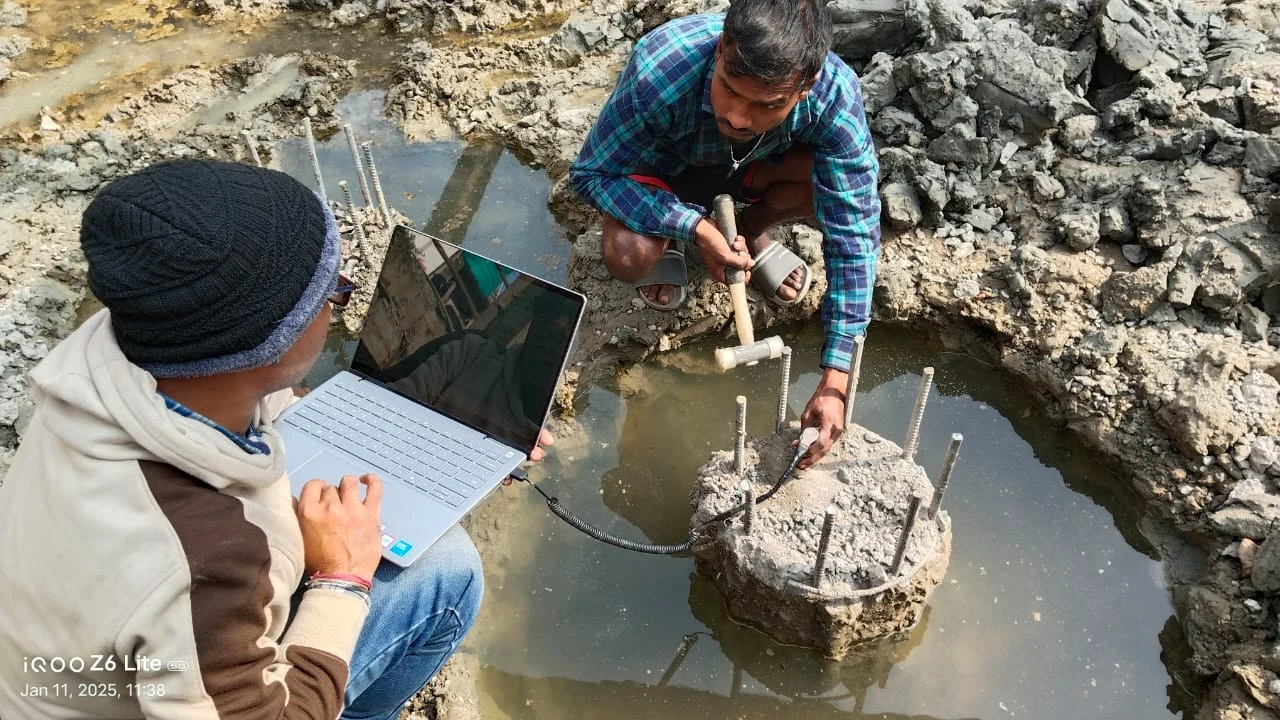
How it is reduced: pile design based on reliable soil data for every layer, a pile load test to confirm capacity, and pile integrity testing to check pile shafts.
6. Problem ground
Some sites have uncontrolled fill, highly compressible organic soil, expansive clay, or loose saturated sand that can lose strength during an earthquake (liquefaction).
How it is reduced: identifying these conditions in the investigation and using a suitable foundation or ground improvement solution.
Geotechnical Risks at a Glance
| Risk | What can go wrong | How geotechnical engineering reduces it |
|---|---|---|
| Weak or variable soil | Foundation cannot carry load | Site-specific boreholes, SPT and lab tests |
| Settlement | Cracks, tilting, serviceability problems | Consolidation tests, settlement analysis, right foundation type |
| High groundwater | Excavation problems, basement uplift, concrete damage | Stabilised water level, chemical tests, dewatering and uplift design |
| Excavation instability | Collapse, damage to neighbours | Strength data, shoring design, staged work, monitoring |
| Pile capacity | Piles settle or fail under load | Reliable design data, pile load and integrity tests |
| Problem ground | Large settlement, liquefaction | Early identification, ground improvement or deep foundation |
When Should Geotechnical Engineering Be Involved?
- Planning: before the layout and foundation type are fixed, so the investigation can guide the choice.
- Design: the geotechnical and structural design teams work together so loads and soil data match.
- Construction: verification of founding levels, pile load tests and integrity tests.
- Existing structures: where a building already shows cracks or settlement, a structural audit assesses its condition.
Geotechnical Risks in Kolkata and West Bengal
Many parts of Kolkata and its surroundings have soft clay and silty clay layers and a shallow groundwater table, especially in low-lying and reclaimed areas, so settlement and groundwater are common design concerns. Riverbank sites need extra care with soft deposits and water. In the western districts, the ground can be very different — we have carried out rock investigation at a site in Purulia, where rock conditions rather than soft soil controlled the foundation.
Before you finalise a foundation, read our guides on soil testing for building construction and the 5 common mistakes to avoid in soil investigation.
Frequently Asked Questions
What are geotechnical risks in construction projects?
Geotechnical risks are problems that come from the ground below a structure: weak or variable soil, excessive or uneven settlement, high groundwater, unstable excavations and slopes, uncertain pile capacity, and problem ground such as filled soil or loose saturated sand.
How does geotechnical engineering reduce project risk?
It identifies the ground conditions before design through boreholes, field tests and laboratory tests, then uses that data to choose and design a suitable foundation, plan excavations and groundwater control, and verify the work during construction with tests such as pile load tests.
When should a geotechnical engineer be involved in a project?
As early as possible, ideally at the planning stage before the layout and foundation type are fixed. Geotechnical input is also needed during design, during construction for verification, and for existing structures that show distress.
Is soil testing enough to manage geotechnical risk?
Soil testing is the starting point, but the results must be interpreted for the actual structure. Risk is reduced only when the investigation, foundation design, construction checks and, where needed, field load tests work together.
What is a pile load test and why is it done?
A pile load test applies load on a constructed pile and measures how it settles. It confirms whether the pile can safely carry its design load, which reduces the uncertainty in pile capacity calculated from soil data.
Are geotechnical risks higher in Kolkata?
Many parts of Kolkata and its surroundings have soft clay and silty clay layers and a shallow groundwater table, especially in low-lying and reclaimed areas. Such ground needs careful investigation and settlement checks, so site-specific geotechnical work is especially important there.
Reduce your project risk from day one.
WhatsApp / Call: 98304 83074 | 98307 37826 · Email: hello@bspepl.com
Learn more about our geotechnical engineering services in Kolkata.