Repairing an Old Building Without Proper Assessment Can Be Dangerous
Plastering over cracks without finding their cause can hide damage…

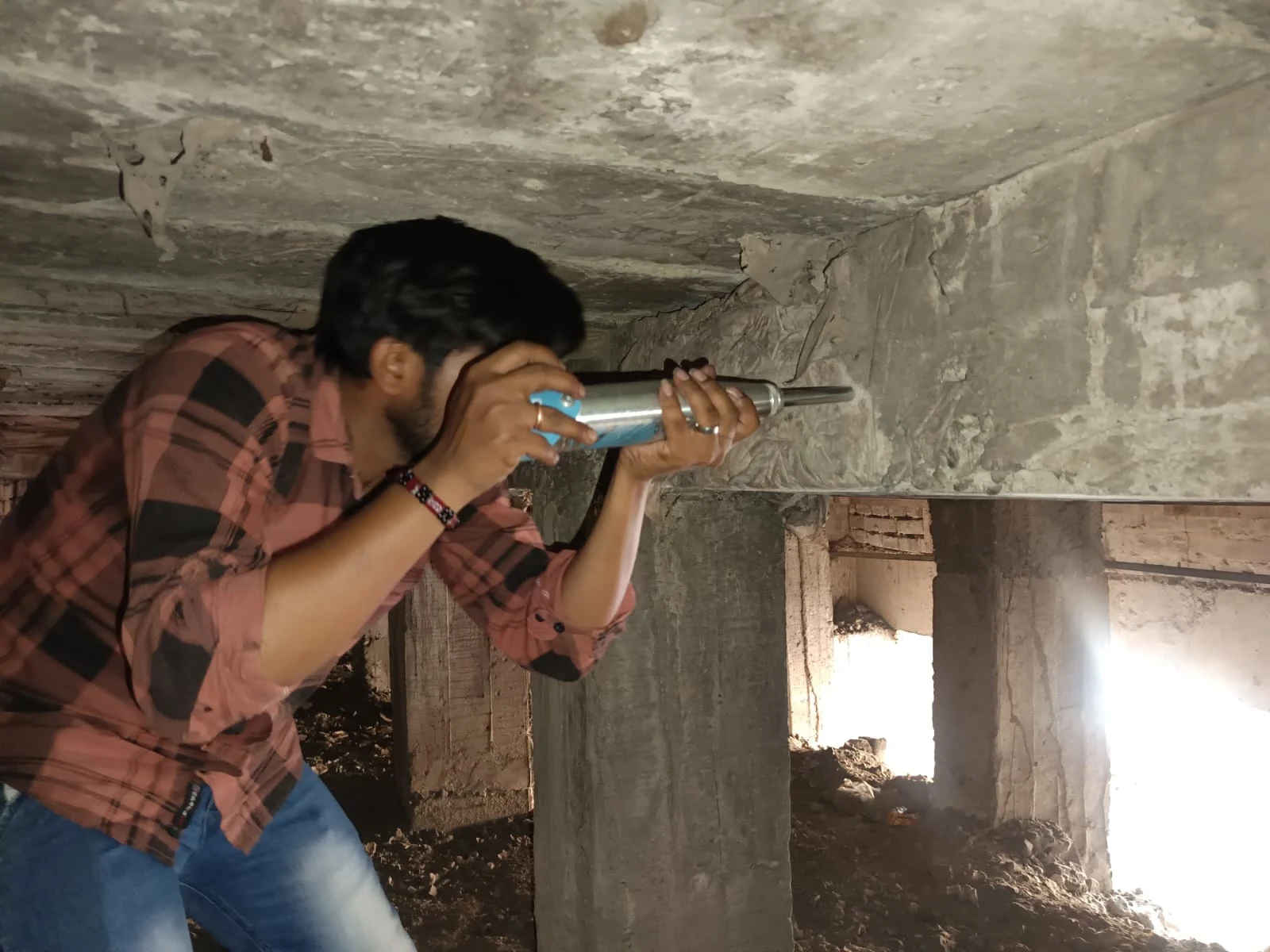
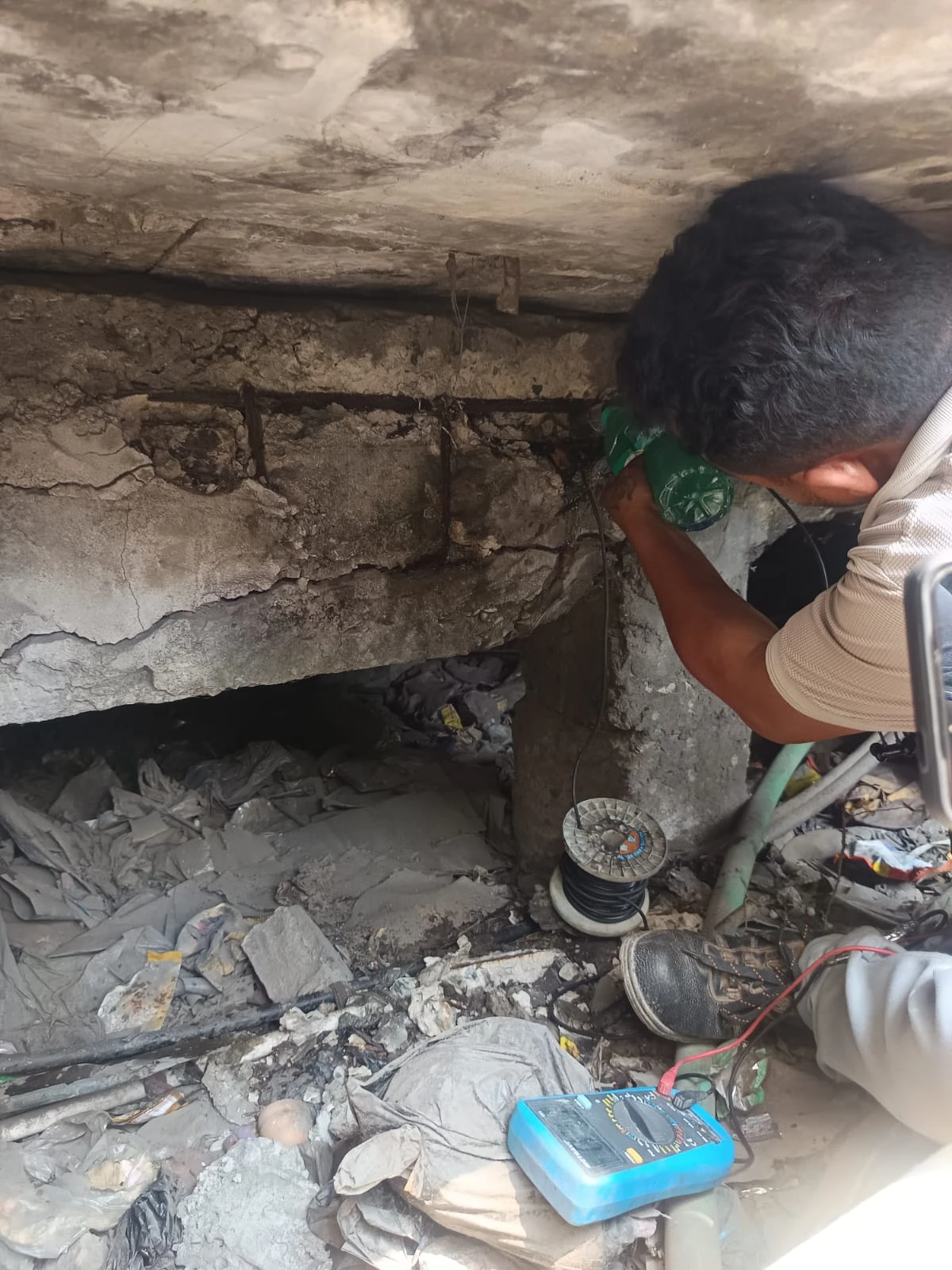
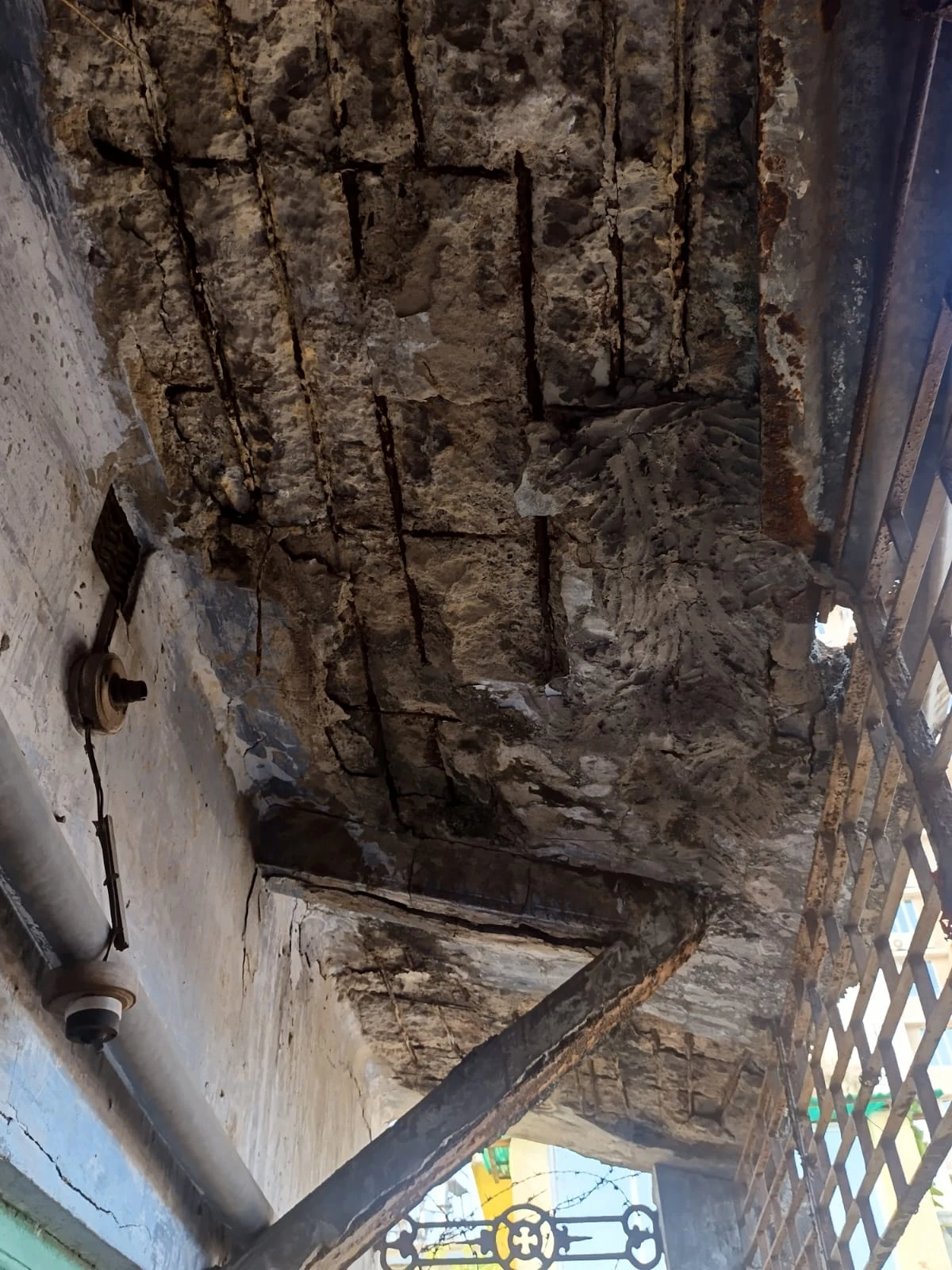
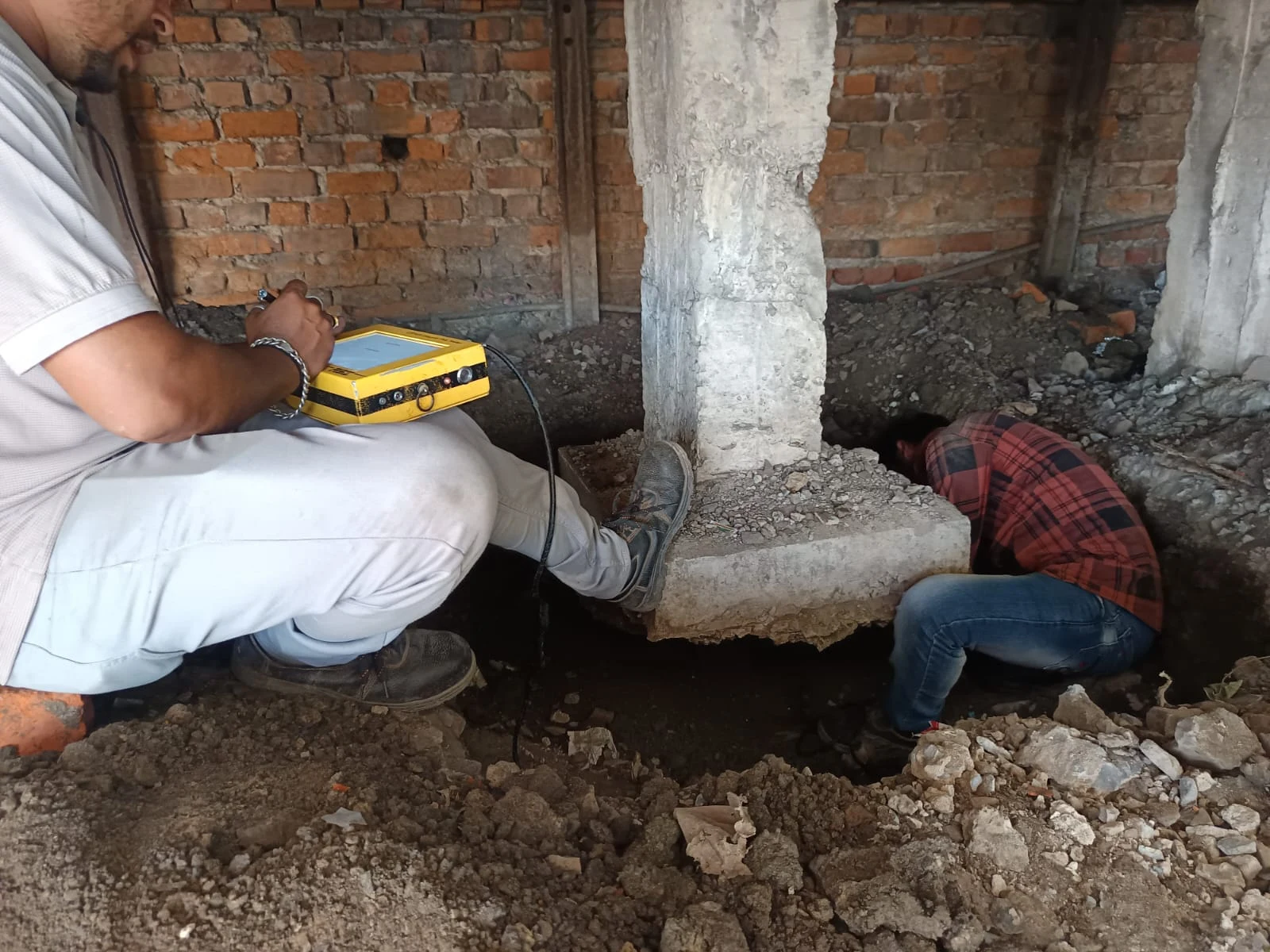
Every structure ages. Concrete carbonates, reinforcement corrodes, steel members lose section, welds crack and foundations settle. A structural health assessment tells you, with test evidence, whether a structure is safe today, how much life it has left, and which repair will cost less than rebuilding.
BS Projects & Engineers Pvt. Ltd. has worked on structures across West Bengal since 2002. Our engineers combine field testing with structural analysis, so you get a clear answer and a practical repair plan, not just test numbers.
Building owners, architects, developers and industries in Kolkata, Salt Lake, New Town, Howrah and North and South 24 Parganas come to us for a structural audit of building condition: a visual condition survey, NDT tests such as rebound hammer and ultrasonic pulse velocity, core testing where needed, and a clear written assessment with repair recommendations.
WhatsApp us | Call +91 98304 83074 | Request a Structural Assessment
Our process: 1. Assess the structure → 2. Test with NDT → 3. Retrofit and rehabilitate
Planning repairs to an old building? Read why repairing an old building without proper assessment can be dangerous.
The right type of structural audit depends on the age, condition and use of the building and on why the audit is needed.
| Type | When it is used | What it includes |
|---|---|---|
| Visual (preliminary) audit | A first check of an ageing building, or before buying, renovating or adding floors | Walk-through inspection, crack and distress mapping with photographs, and advice on whether testing is needed |
| NDT-based audit | When cracks, rust stains, spalling or dampness are found, or concrete quality is in doubt | Rebound hammer, ultrasonic pulse velocity (UPV), cover, carbonation and corrosion tests at critical members |
| Detailed structural audit | Serious distress, change of use, additional floors or a statutory requirement | NDT plus core tests where needed, structural analysis of critical members, and a repair or retrofitting plan |
Every assessment is backed by measured evidence. For concrete, we use rebound hammer, ultrasonic pulse velocity, core testing, carbonation depth, half-cell potential, cover meter and chemical tests. For steel, we measure the remaining thickness of members and inspect welds and members for cracks.
See the full list of methods on our Non-Destructive Testing (NDT) services page.
After the Taratala warehouse collapse in June 2026, the West Bengal government ordered safety audits of G+5 and taller buildings and high-rise projects in Kolkata and neighbouring municipal areas, with technical experts on the review committee. By early November 2026, the Kolkata Municipal Corporation had allowed most audited projects to resume work under close monitoring, while projects with serious violations remained restricted. New building projects must now also name their empanelled structural engineer and geotechnical engineer.
The need for an audit does not depend on the height of the building. Much of Kolkata stands on soft clay. If a structure is under-designed, or its foundation settles unevenly, the effect can take a few years to appear as cracks and other visible distress. Even a G+1 or G+2 building can suffer serious distress from differential settlement. In our engineers’ experience, any building that shows cracks or other visible distress, and any building more than 15 years old, should have a structural audit — whatever its height.
Whether you are a building owner, a housing society or a developer, we carry out independent structural audits with NDT, prepare a clear audit report and design the repair or strengthening work if it is needed. Rules can differ between municipal bodies, so always check the latest notice from your municipality.
High-rise and residential buildings, factory sheds and steel structures, rooftop and ground-based towers, water tanks and reservoirs, sewage and effluent treatment plants, and bridges.
|
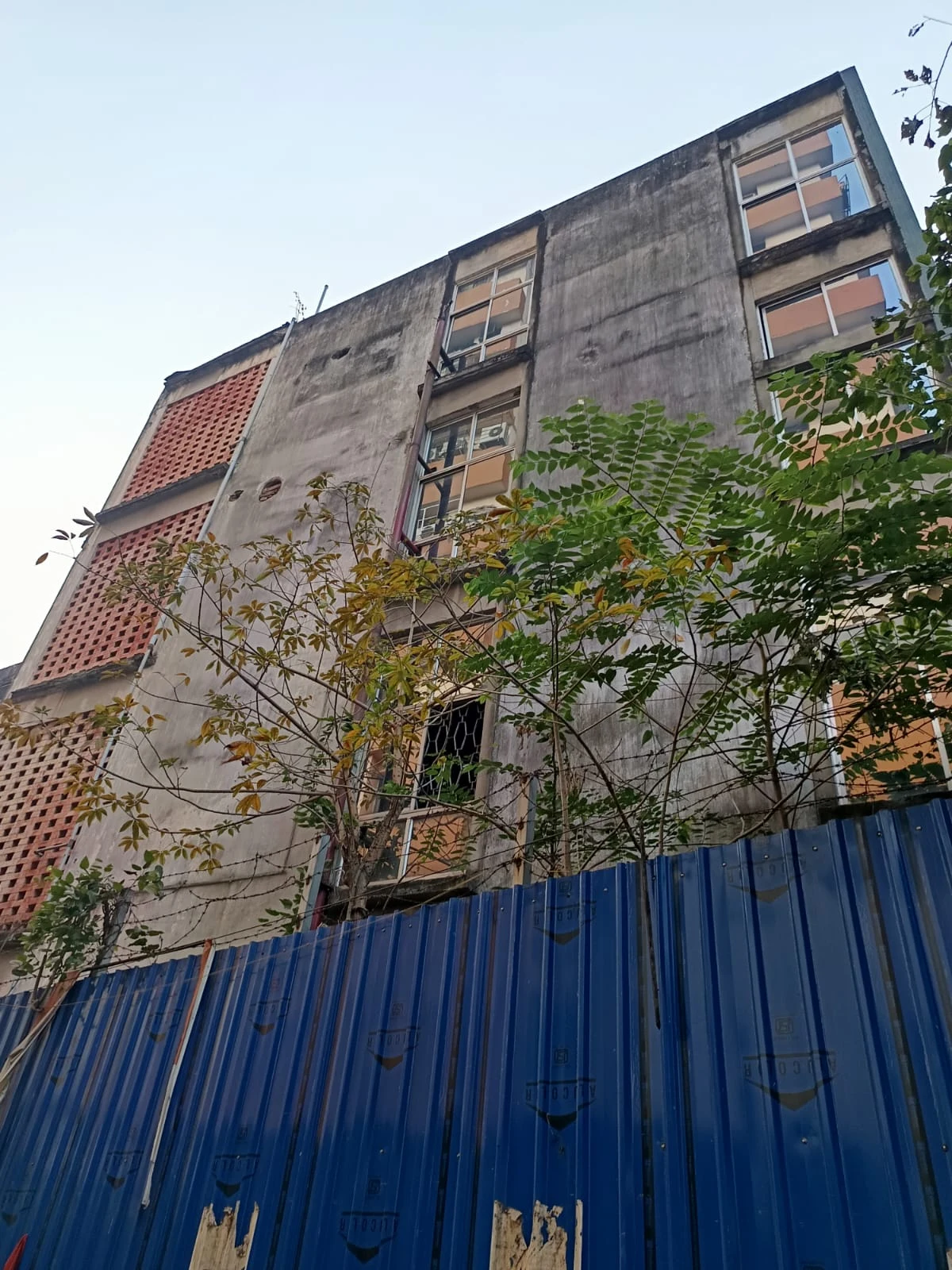
Old building with visible structural distress, inspected by our team |
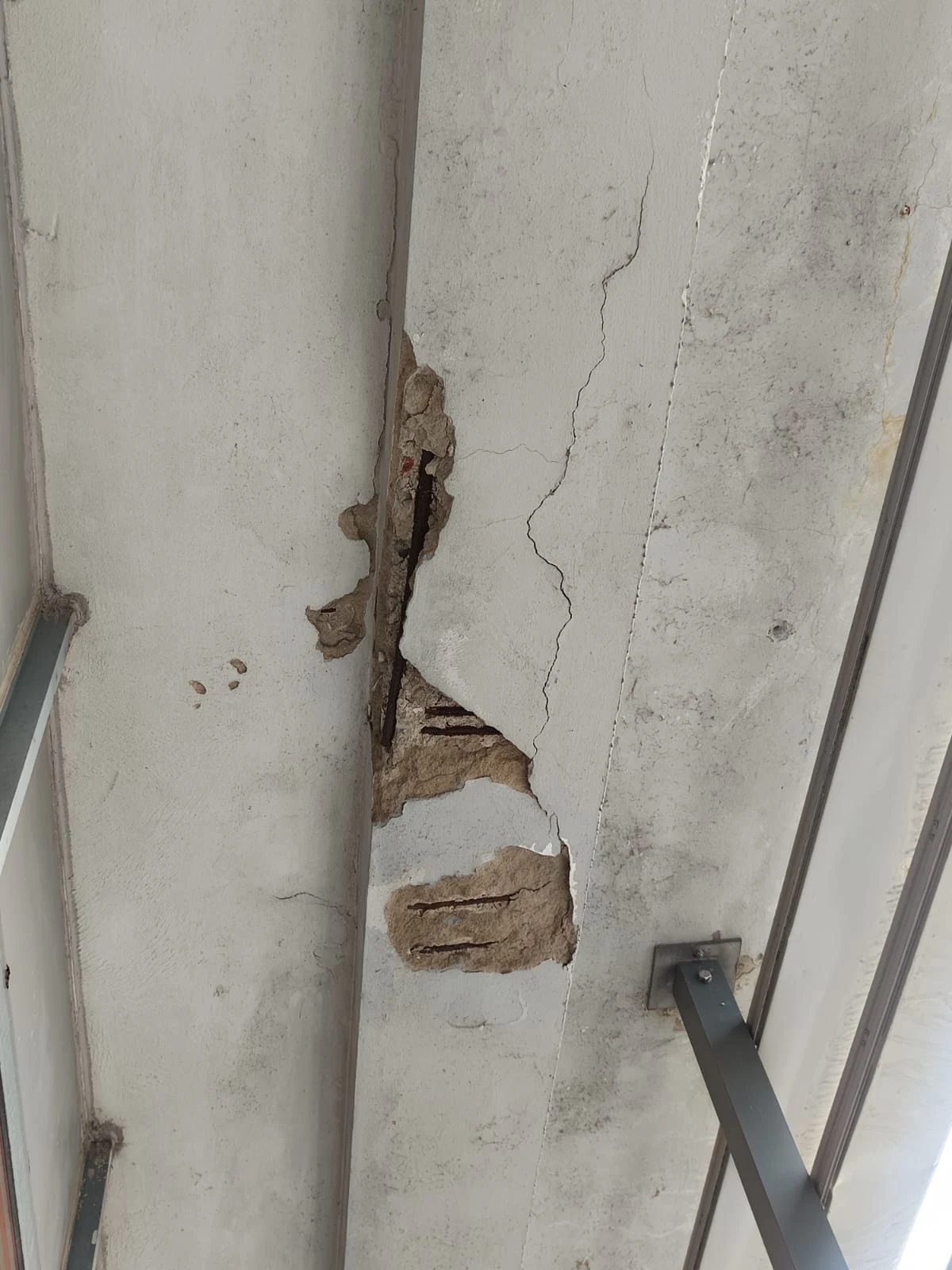
Cracks and spalling on a column before repair |
|
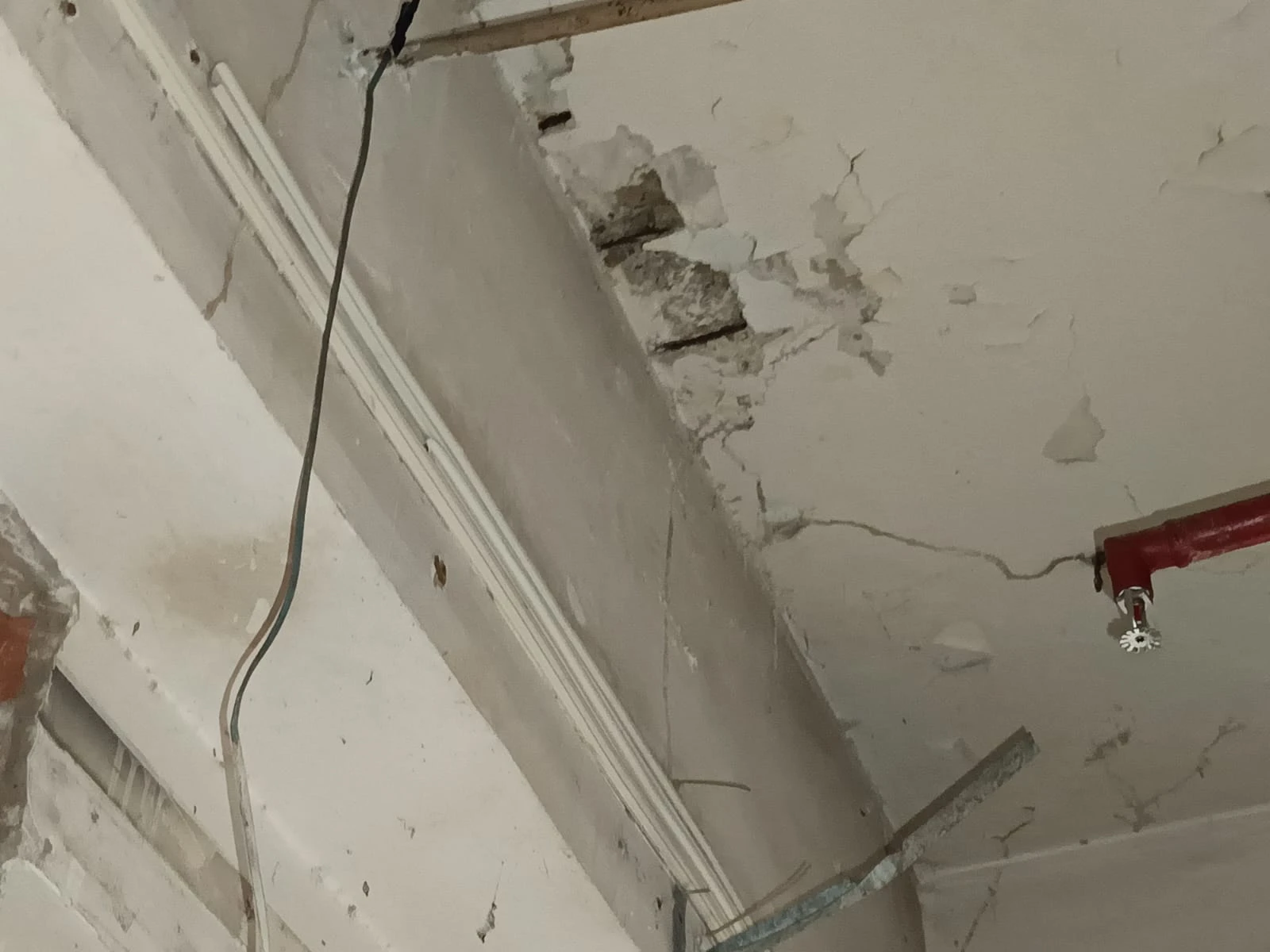
Concrete spalling and cracks at a column |
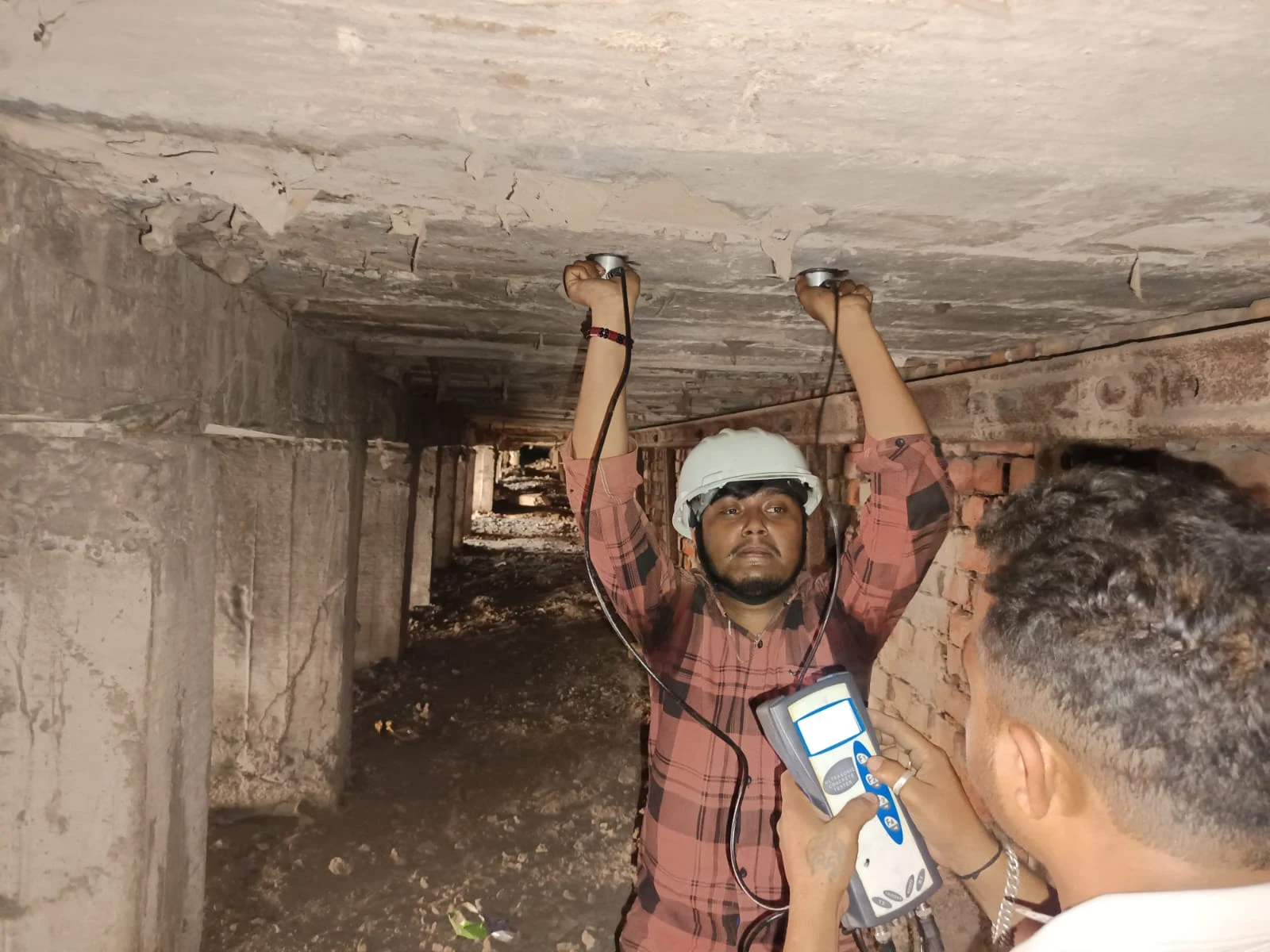
On-site testing under a slab during an assessment |
See more of our work in the Gallery and List of Work.
If the assessment shows repair is needed, our retrofitting and rehabilitation team designs the solution.
Found a deficiency? Next step: Retrofitting and Rehabilitation →
Will testing damage my building?
Non-destructive tests cause no damage. Core cutting leaves small holes, which are repaired immediately after sampling.
Can you check steel structures and welded connections?
Yes. We measure the remaining thickness of steel members and inspect welds and members for cracks.
Do you also design the repair?
Yes. We design the retrofitting and rehabilitation solution and can supervise its execution.
What is a structural audit of a building?
A structural audit is a systematic check of a building’s condition. It combines a visual condition survey, non-destructive and partially destructive tests, and structural analysis to tell you whether the building is safe today, how much life it has left and what repair it needs.
Which NDT tests are used in a structural audit?
For concrete we use rebound hammer, ultrasonic pulse velocity, core testing, carbonation depth, half-cell potential, cover meter and chemical tests. For steel structures we measure the remaining thickness of members and inspect welds and members for cracks.
Which areas do you cover for structural audits?
We are based in Kolkata and carry out structural audits and health assessments in Kolkata, Howrah, North and South 24 Parganas and across West Bengal.
Is a structural audit mandatory for G+5 buildings in Kolkata?
After the June 2026 order, G+5 and taller buildings and high-rise projects in Kolkata and neighbouring municipal areas came under safety audits; requirements can differ by municipal body, so check the latest notice from your municipality. But the need for an audit does not depend on height: on Kolkata’s soft soil, any building with cracks or other visible distress, and any building more than 15 years old, should be audited.
Does a small G+1 or G+2 house need a structural audit?
Yes, if it shows cracks or other distress, or if it is more than 15 years old. On soft soil, differential settlement can damage small buildings too, and the effects often appear only after a few years.
How long does a structural audit take?
It depends on the size and condition of the building and on the number of tests needed. We confirm the schedule after a site visit and a review of your drawings.
Should an old building be assessed before it is repaired?
Yes. Repairing without finding the cause of cracks or corrosion can hide damage that keeps growing. A structural audit first identifies the problem, and the repair is then designed from the test results. Read our guide on the repair of an old building.
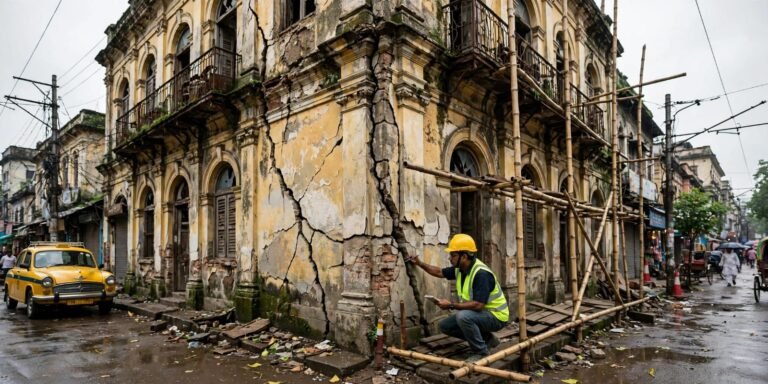
Plastering over cracks without finding their cause can hide damage…